IND-A image showcase
Appliance programs for retail, ecommerce, hospitality, and distributor channels.
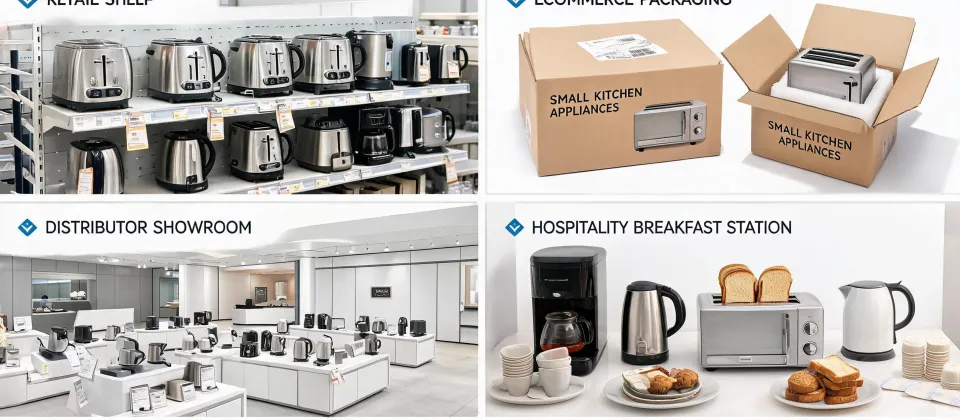
Cuisinart aligns product engineering with the commercial realities of each channel. A big-box retailer may prioritize planogram fit and carton durability, while an ecommerce brand may care more about parcel protection, review reduction, and fast replenishment. The manufacturing program changes accordingly.
6Channel playbooks
5Core product categories
4Validation labs
1Controlled launch file
Channel context affects technical decisions. Ecommerce cartons may need stronger drop protection and clearer setup instructions. Hospitality buyers often ask for simple operation, easy cleaning, and stable replacement parts. Retail chains need consistent packaging geometry, labeling discipline, and clear compliance evidence across several SKUs. Distributors need category breadth without uncontrolled MOQ pressure. By documenting these differences at the start, Cuisinart can recommend the right platform, the right degree of customization, and the right review schedule. That prevents a product designed for one channel from being forced into another without the required engineering changes.
The same appliance platform can behave very differently once it reaches the shelf, the parcel network, or a hospitality service counter. A premium coffee maker for a specialty retailer may need a different finish strategy than a value coffee maker sold through a regional distributor. An air fryer for ecommerce may require clearer unboxing protection and more direct user guidance, while a big-box version may require tighter planogram dimensions and stronger shelf messaging. Cuisinart reviews these channel realities alongside the engineering file so buyers can avoid late packaging redesign, warranty confusion, mismatched feature priorities, preventable reorder delays, and avoidable service escalations.
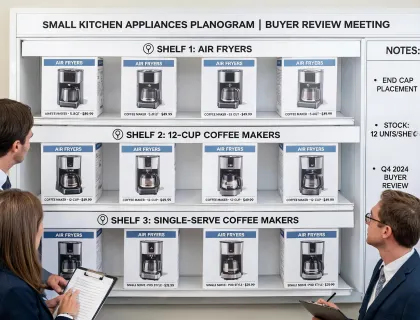 Big-Box Retail
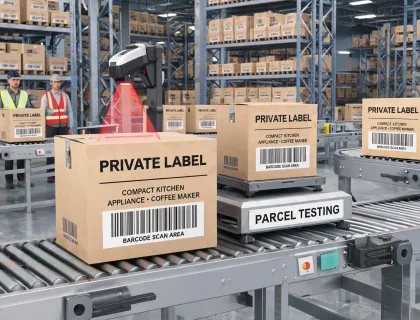 E-Commerce Brands
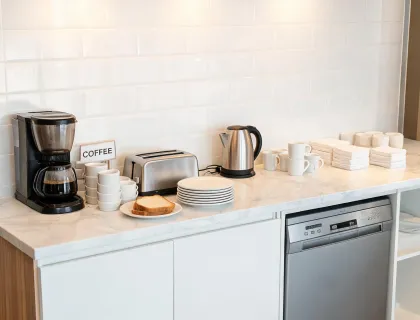 Hospitality Buyers
 Import Distributors
 Specialty Retail
 DTC Private Label